Introduction
Struggling with money management? You’re not alone! Many Indians find budgeting tricky, but with the right approach, you can take control of your finances. Whether you’re a student, a salaried professional, or a homemaker, this beginner-friendly budget planner guide will help you save smarter and spend wisely.
Greetings Do you have trouble managing your finances? You are not by yourself! Budgeting can be challenging for many Indians, but you can take charge of your money if you use the correct strategy. This easy-to-use budget planner guide will help you save more and spend less, regardless of your financial situation—student, working professional, or stay-at-home mom. The Importance of Budgeting for Financial Achievement Let’s first discuss why budgeting is important before moving on to how to do it: Prevent rash purchases to prevent overspending. ✅ Assists in Saving Objectives: Make plans for major purchases, trips, and emergencies. ✅ Lessen Finance Stress and no more hurried loans any applications! ✅ Gets Ready for Upcoming Investments: Purchasing a Home? A retirement? Having a budget is helpful. (Interesting Fact: 65% of Indians, according to a survey,
Why budget planner is Essential for Financial Success
Before diving into how to budget, let’s understand why it matters:
✅ Controls Overspending – Avoid impulsive purchases.
✅ Helps in Saving Goals – Plan for emergencies, vacations, or big purchases.
✅ Reduces Financial Stress – No more last-minute loan requests!
✅ Prepares for Future Investments – Buying a home? Retirement? Budgeting helps.
(Fun Fact: A survey found that 65% of Indians don’t track expenses**—don’t be part of that statistic!)
- Step 1 Calculate Your Monthly Income
First rule of budgeting Know how much you earn.
- Salaried Individuals Base salary + bonuses + side income.
- Freelancers/Business Owners – Average monthly earnings (past 6 months).
Students – Pocket money + part-time earnings.
Pro Tip – If income varies, take a 3-month average for accuracy.
- Step 2: List All Your Expenses
Break expenses into Fixed (unchanging) and Variable (flexible) costs.
1st – Fixed Expenses, 2nd – Variable Expenses, 3rd – Rent/Emi’s, 4th – Groceries, 5th – Loan Payment, 6th Dining Out’s, 7th – Insurance, 8th – Entertainment and Subscriptions (OTT, gym) Shopping
📌 Indian Context – Don’t forget Festival spending, family functions, and medical emergencies – common budget breakers!
- Step 3: Categorize Using the 50-30-20 Rule
A simple yet powerful budgeting method
50% Needs – Room Rent, grocery, Meny bills. And 30% Want – Hobbies, Movies, travel, shopping. And 20% Savings/Debt & injoy fund, Repayment Emergency fund, investments, Meny loans.
(Example: If you earn ₹50,000/month → ₹25k needs, ₹15k wants, ₹10k savings.)
- Step 4 – Track Every Rupee with Budgeting Tools
Best Apps for Indians
📲 Walnut – Auto-tracks SMS expenses.
📲 ET Money – Helps in tax-saving investments.
📲 Google Sheets/Excel – Manual but customizable.
⭐ Bonus – Envelope Method – Allocate cash in labeled envelopes for groceries, fuel, etc.
- Step 5: Cut Unnecessary Expenses
Small changes = Big savings!
- Cook at home (Swiggy/Zomato adds up!).
- Use public transport/carpooling.
- Cancel unused subscriptions (Hotstar, Amazon Prime).
- Buy generic brands (Dmart vs. Big Bazaar).
📝 Real Talk – Cutting just ₹220/day saves ₹6,300/month!
- Step 6: Set Realistic Financial Goals
Short-Term (1 year)
- Save ₹50k for an emergency fund.
- Pay off credit card debt.
Long-Term (5+ years)
- Down payment for a house.
- Child’s education fund.
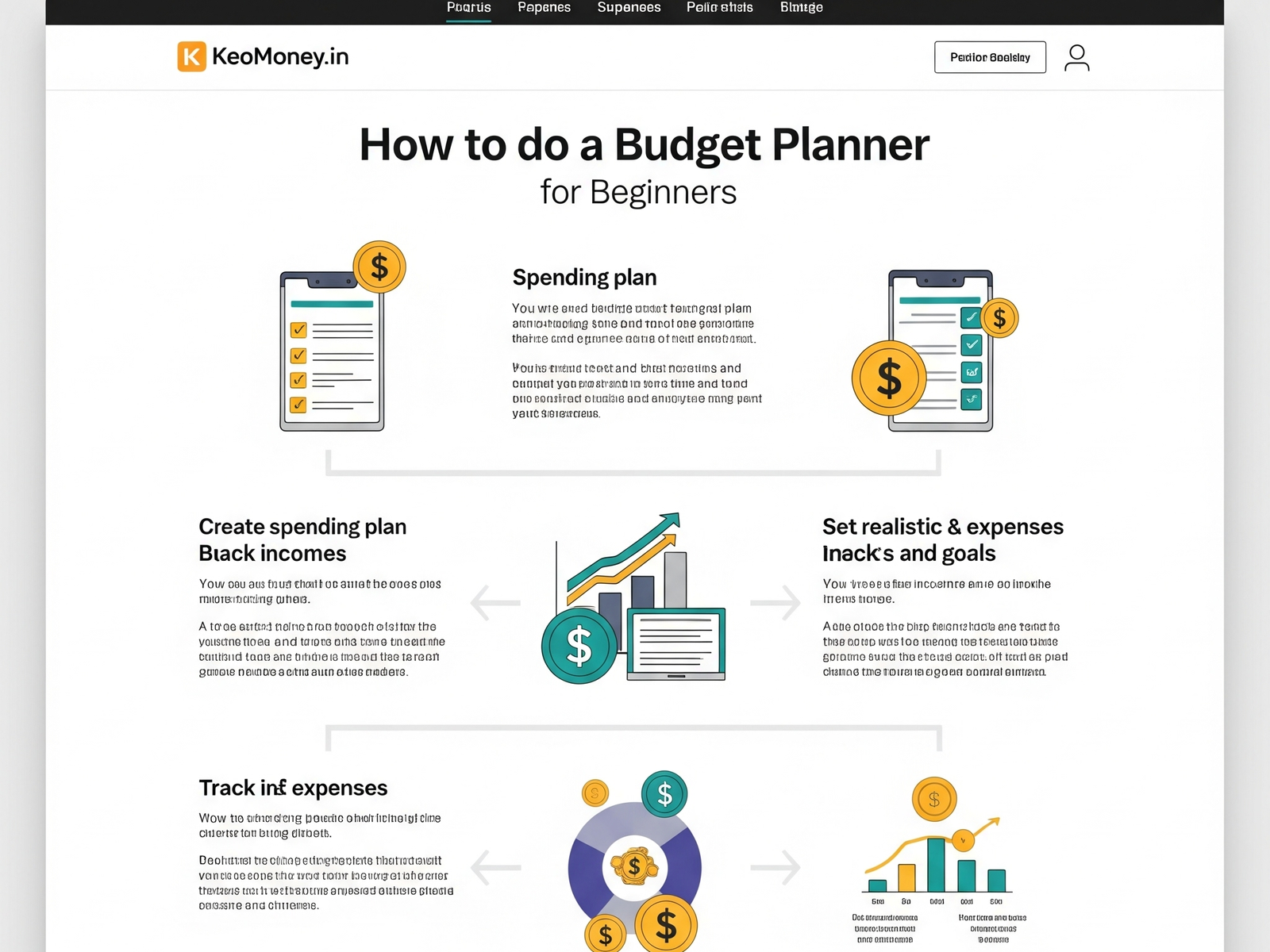
🎯 Motivational Story – Visualize your Long Term goal with a unique vision board or saving tracker daily.
- Step 7: Review & Adjust Monthly
Budgeting isn’t set in stone! At month-end
✅ Compare planned vs. actual spending.
✅ Identify leaks (Unexpected spends?).
✅ Adjust next month’s budget.
(Example: Spent too much on shopping? Reduce next month’s “wants” budget.)
- Common budget planner Mistakes to Avoid
❌ Ignoring Small Expenses– Chai-samosa adds up!
❌ No Emergency Fund Medical bills can derail budgets.
❌ Being Too Strict Allow some fun money! - Final Tips for Sticking to Your Budget
- Automate savings (Recurring deposits).
- Reward yourself (Hit a goal? Treat yourself modestly).
- Involve family – Teamwork ensures success.
Conclusion: Your Financial Freedom Starts Today!
budget planner isn’t about restriction—it’s about making your money work for you. Start small, stay consistent, and watch your savings grow!
📢 Now It’s Your Turn!
Got questions? Drop them below. Share this guide with friends struggling with money management!
Recent Posts
How do I make a simple budget spreadsheet? | how to create a budget spreadsheet
How can I save money with so many bills? | how to save money bil.

how to invest in real estate | Real Estate for beginner a2z Guide?

how to invest in cryptocurrency | How to invest in crypto for beginners?
About the Author